Planning a Modern Home Renovation: A Better Place to Start
Updated April 2026
Starting a home renovation sounds straightforward at first.
Then the questions start.
What are you actually changing? Who do you need to hire? How much is this really going to cost? What is the process?
And more often than not, those questions come before there are clear answers.

As a homeowner, you do not struggle with wanting a beautiful result. You’ve got that nailed down! You struggle with not knowing how many decisions are involved, how those decisions connect, when they need to be made, and who is guiding the process.
You are not expected to be an expert in construction. But without a clear plan and someone leading the process, you can quickly find yourself fielding questions, making decisions on the fly, and trying to connect ideas to execution in real time before they cost more or can no longer be changed.
That is what makes a renovation feel overwhelming.
I work with clients across Willis, Conroe, The Woodlands, Huntsville, and the greater Lake Conroe area, and I see the same pattern again and again. The projects that feel smooth are not necessarily simpler. They are the ones where there is already a clear plan in place before anything starts.
That clarity is what changes the experience.
Define Your Purpose Before Starting a Home Renovation or Remodeling Project
Why are you considering a home renovation?
Taking the time to define the “why” behind your home project is the first step in understanding how to move forward. You will make design, construction, and investment decisions differently depending on your reason for renovating.
Without that clarity, it becomes much harder to evaluate options or prioritize what matters most.
Here are a few of the most common reasons you may be choosing to renovate:
Preparing for resale, whether that is in the near future or further down the line
Renovating as part of an investment strategy, such as a flip or hold property
Creating a luxury vacation rental or short-term rental property with a focus on experiential, hospitality-driven design
Addressing required maintenance or rebuilding after damage
Making the home your own through customized updates, improvements, or additions that support how you want to live
Future proofing your home for aging in place or multi-generational living
Each of these starting points leads to a different set of priorities, decisions and ultimately, a different outcome.
For more inspiration on what to include in your luxury modern home renovation, see our blog titled Crafting Extraordinary Living: Elevating Your Home with Customized Interiors.
Define the Full Scope of Your Home Renovation, Remodeling, or Construction Project
Once your purpose is clear, the next step is defining what the project actually includes.
Not just “we are remodeling the kitchen,” but what that truly means for your home. Are you changing the layout? Are adjacent spaces affected? Are there functional improvements that need to be addressed before anything is built?
Scope often expands once a project is underway. That is not unusual, but when it is not defined early, it creates a pattern of ongoing adjustments that can significantly affect both timeline and financial investment.
Taking the time to clearly define the scope upfront creates structure for the entire project. It allows each decision to build on the one before it, instead of constantly revisiting what should have been established at the beginning.
“Construction is only one phase of a renovation. The real plan should carry the space from concept to completion.”
This is also where I begin thinking beyond construction alone. Studio Croft’s signature Design Master Plan process is not just about what will be built during the construction phase. It is about how your space will function, how it will feel, and how it will come together as a finished home.
A Design Master Plan means thinking from concept-to-completion, including:
layout and flow
systems and codes
built-in elements and construction details
lighting and finish selections
furnishings and furniture planning
window treatments
the finishing layers that make the space feel complete
When those elements are not considered early, they become an afterthought. When they are included from the beginning, the entire space feels intentional and complete.
Define the Right Team Early for Your Home Renovation and Construction Project
One of the biggest mistakes I see is reaching out to a builder or contractor to talk about construction before the project is fully thought through.
It is a natural instinct. You are ready to get started, so you go to the person who builds. But builders and trades are there to execute. They rely on clear direction. Without a well-defined plan, they are left asking questions that you may not be prepared to answer yet.
A successful renovation starts with the professionals who help define the project in the first place.
Depending on the scope of your renovation project, the right team may require a variety of professionals such as:
interior designers
architects
engineers
landscape designers
specialty consultants for things like security, AV, home automation, home organization and art procurement
These are the trained and experienced industry professionals who help clarify layout, function, design direction, and the overall plan before construction begins.
Builders, contractors, and trades are essential, but they are not there to develop the vision. They are there to bring a clear plan to life.
It is also worth remembering that this is their full-time job. Coordinating construction, solving problems in the field, and managing the moving parts of a project is what building professionals do every day. If you step into that role yourself without the right planning team in place, your renovation can quickly start to feel like your full-time job too, on top of the one you already have in your own area of expertise.
When the right planning team is involved early, your project moves into construction with much more clarity. Everyone understands the direction, the decisions have greater context, and the process becomes far more cohesive from the beginning.
Here are a few additional resources to help you build the right team:
Building the Perfect Team: Choosing the Right Experts for Your Home Project
Do I Really Need an Interior Designer During Construction?
Set Realistic Investment Expectations for Your Home Remodeling Project
An early construction budget from a builder is often approached as a rough estimate with many allowances, but that’s not a your complete investment into the project. You want a full picture with all of the design and finish/fixture decisions made before construction begins. That leads to less surprises and allows you the freedom to make thoughtful and informed decisions with your investment if anything unexpected does happen to arise.
A realistic renovation budget needs to reflect the entire project, not just the most visible elements. That includes the level of finish, the complexity of the work, and how much of your home is being impacted.
Just as importantly, it should account for what happens after construction is finished. Furnishings, window treatments, and final layers are often underestimated or left out entirely, even though they are a critical part of the finished result. Unexpected cost overruns during construction can leave you without the funds to finish the things that actually make the house your completed home.
Your complete renovation investment should consider:
design fees and planning (can start at 10-15% of total project costs)
construction management and trade labor (including permits, general site prep and property protection)
systems and building materials (think water heaters, framing lumber, drywall, nails, floor leveler)
millwork (cabinetry for kitchens, baths, home bars, closets, media walls, etc.)
finish/fixture selections (interior finishes, cabinet hardware, plumbing fixtures, decorative lighting)
a contingency fund (always)
appliances
furnishings (storage of existing furnishings, planning for new or custom pieces)
window treatments (not just for looks, they protect your energy usage and those new finishes and furnishings from sun damage)
styling and final layers (modern art and decor make it truly yours)
personal comfort measures (consider where will you live/ cook/ bathe/ board your pets during your home remodel)
When your scope and investment expectations are aligned early, it becomes much easier to make informed decisions. You are not constantly adjusting expectations or revisiting earlier choices.
Your home renovation investment needs to reflect the full vision of the space, not just the cost of construction.
That clarity allows the renovation to move forward with fewer surprises and a more consistent pace.
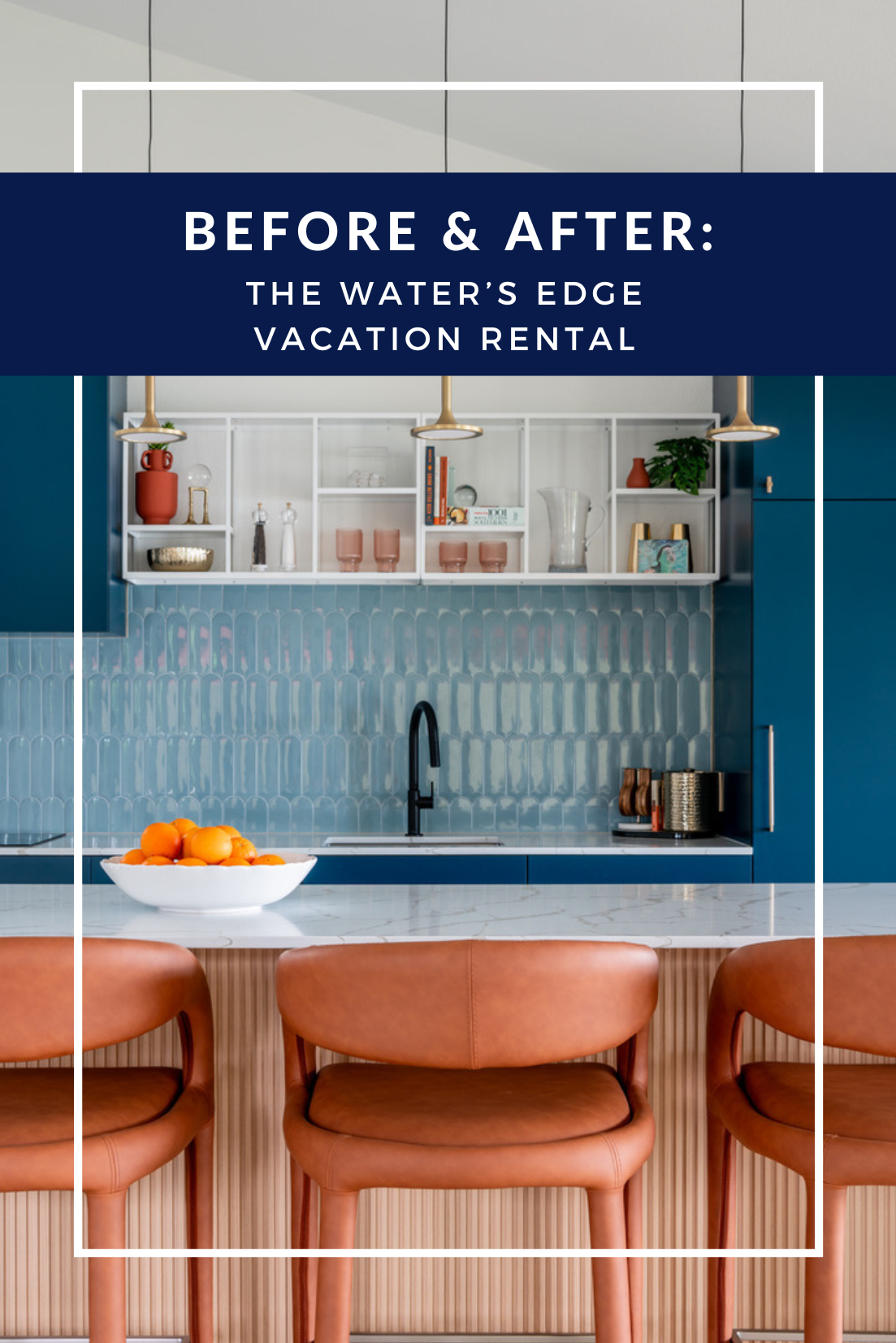
Check out a few home renovation projects featured on the Studio Croft Blog:


Planning a Home Renovation or Remodeling Project in the Lake Conroe Area
If you are planning a home renovation in Willis, Conroe, The Woodlands, Huntsville, Montgomery, or the surrounding Lake Conroe area, the way you begin will shape everything that follows.
Most of what makes a renovation successful is not visible once the project is complete. It happens early, when your purpose is clearly defined, the scope is fully understood, the right team is in place, and the budget reflects the full project from concept to completion.
That is what allows the process to move forward with clarity, and what ultimately leads to a space that feels cohesive, finished, and ready to live in!
To help you get your thoughts organized, fill out the form below to download our free “Where to Start Your Home Renovation Worksheet”!