Design, Experience, and the Power of Place: Notes from Antigua, Guatemala
Part of an ongoing series on travel, design, and how a sense of place shapes my creative process.
Read the first post: Design, Experience, and the Power of Place: Notes from Italy.
At the end of September, I traded The Studio for cobblestone streets, colonial courtyards, and a skyline ringed by volcanoes. Antigua, Guatemala had been on our bucket list for years, and this trip was our first real introduction to the country. I already know it won't be our last.
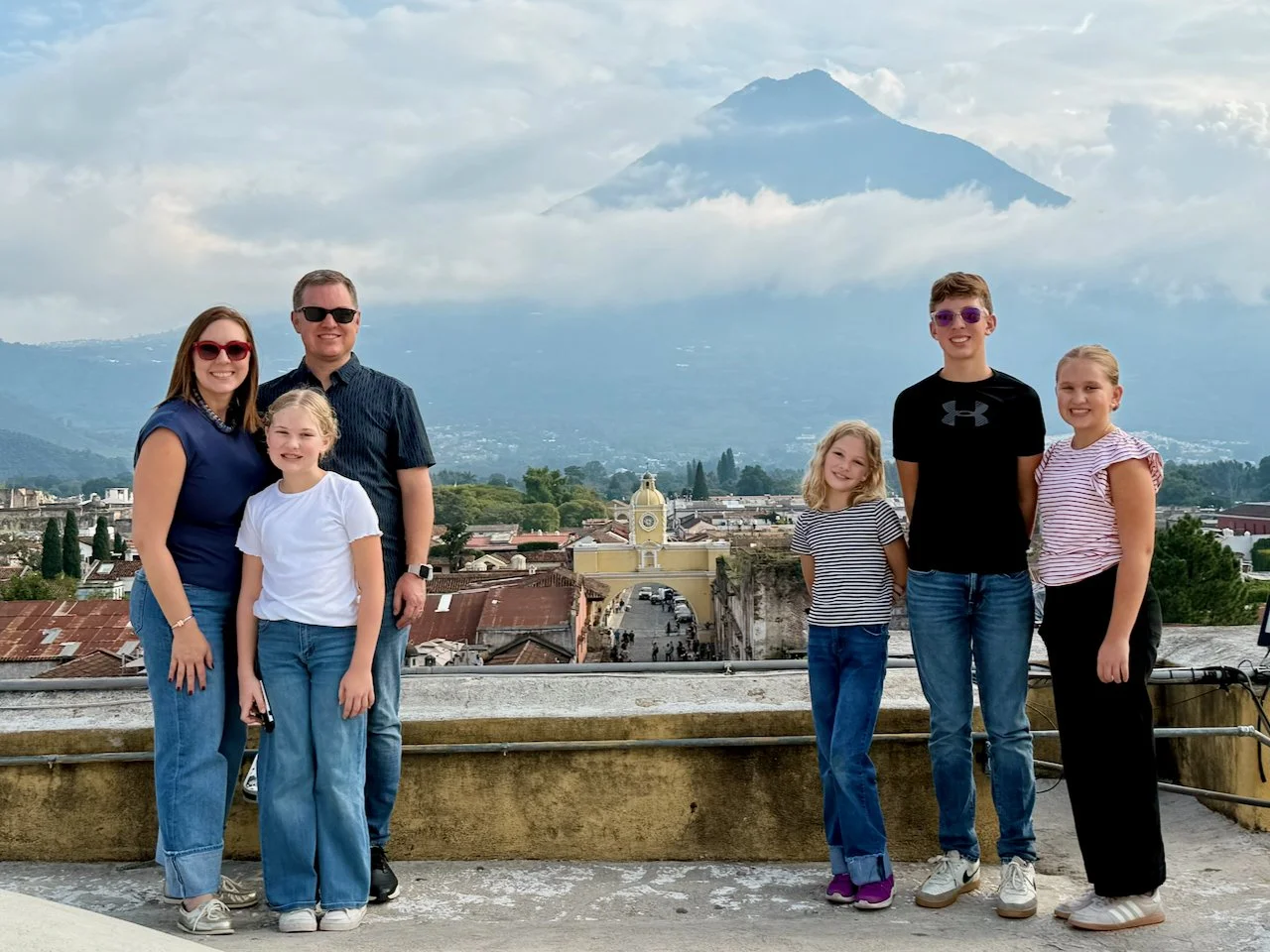
We traveled with a group of about thirty friends and family, which made this trip feel different from most. It was part adventure, part reunion, and, as always for me, part design research. I can't turn off the part of my brain that notices how a doorway is detailed or why one dining room makes people want to stay another hour. Travel is where a lot of my best ideas start.
Last year I wrote about Italy and the way design is woven into everyday life there. Antigua had that same quality. It just spoke a different language.
A City You Experience on Foot
Antigua is a walking city. Once we settled in, we rarely needed a car (and used Uber when we did), and that changed the whole experience. Instead of seeing the city through a windshield, we became part of its daily rhythm: morning coffee down the block, an afternoon wandering into galleries, dinner a few streets over.
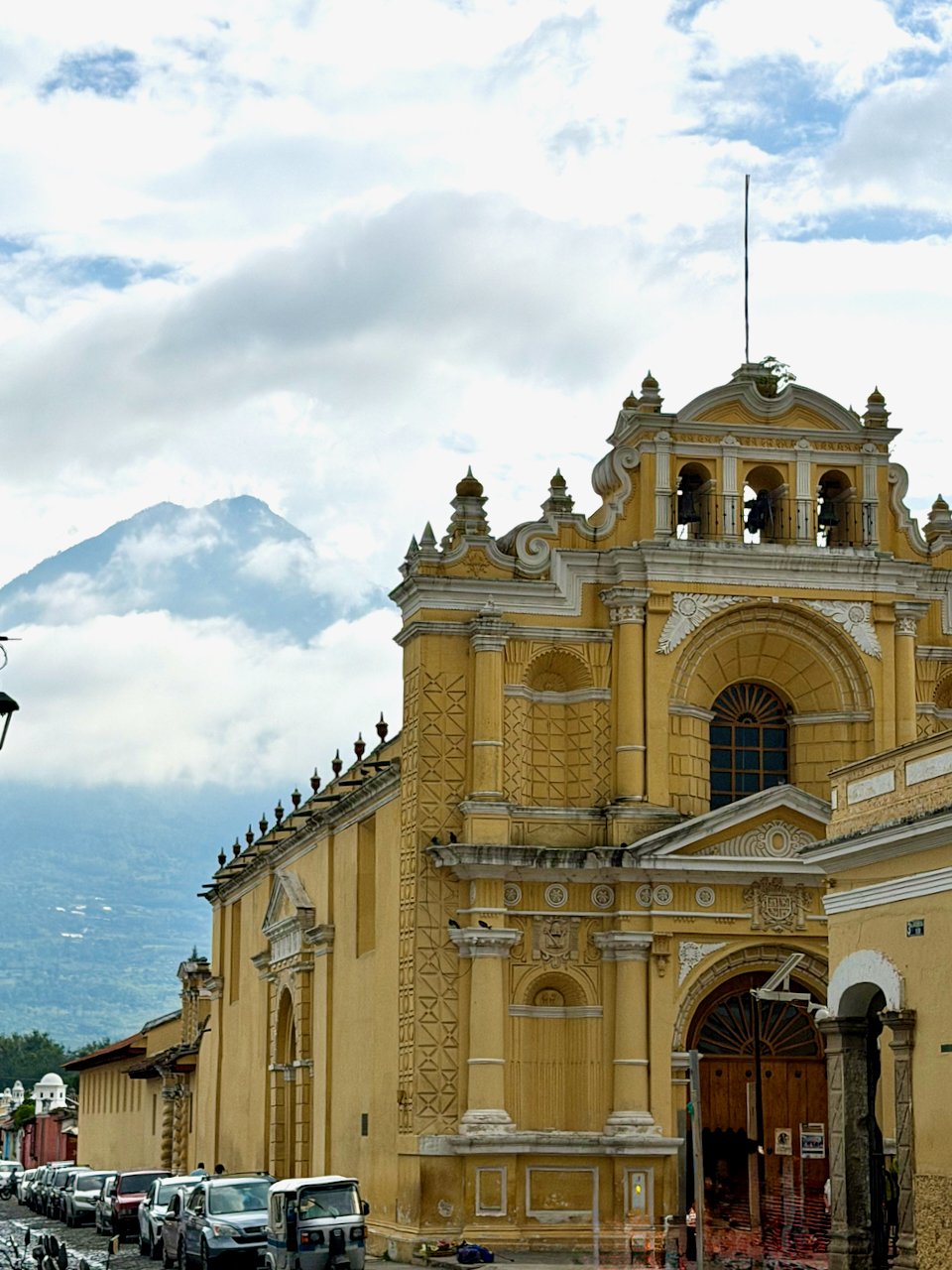
The architecture is a big part of the draw. Ochre, terracotta, and pastel facades. Heavy carved wooden doors. Iron grilles over deep-set windows. Church ruins still standing centuries after the earthquakes that damaged them. Three volcanoes, Agua, Fuego, and Acatenango, sit on the edges of the valley like they're keeping watch - and reminding you with every puff of smoke.
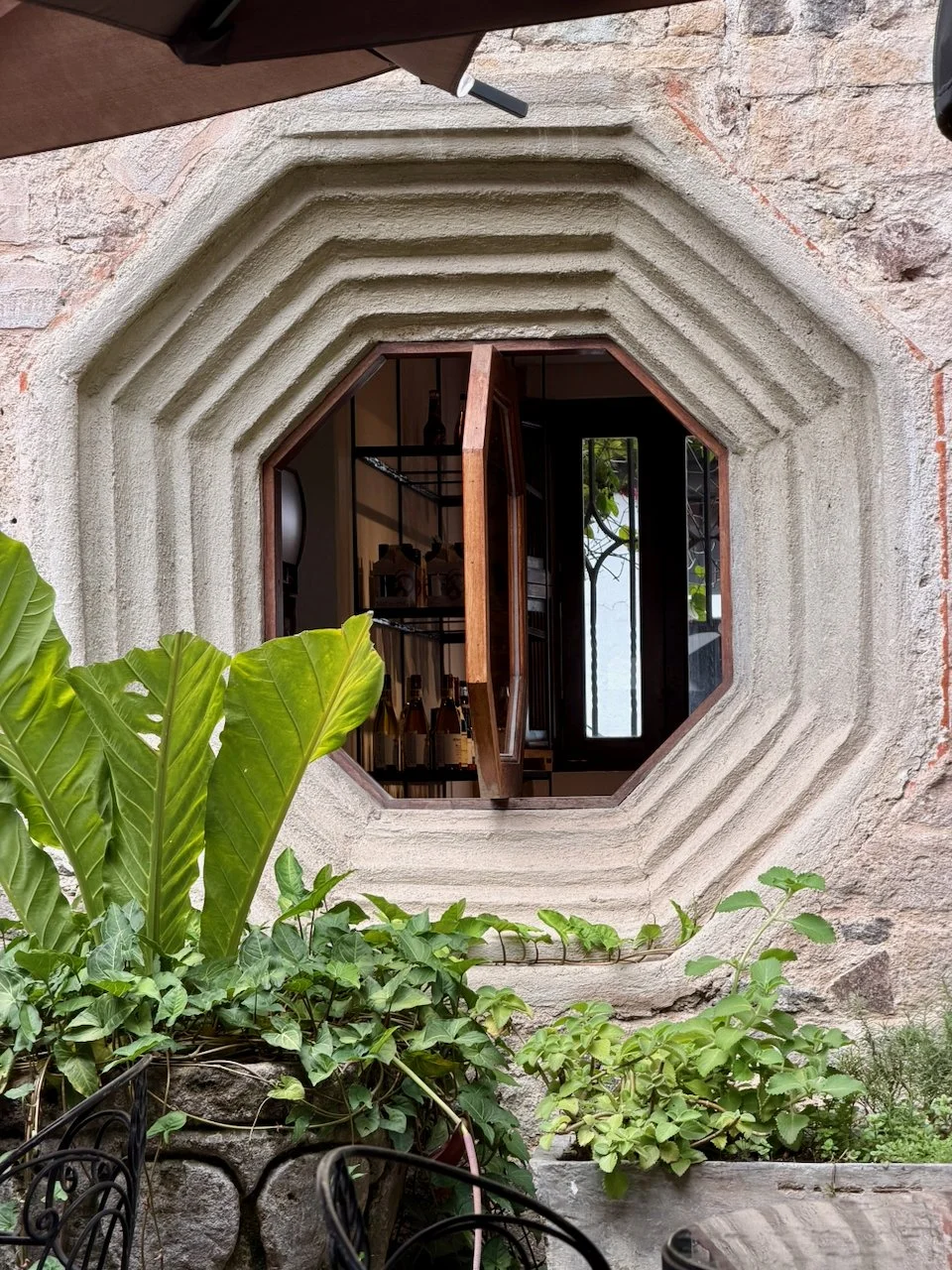
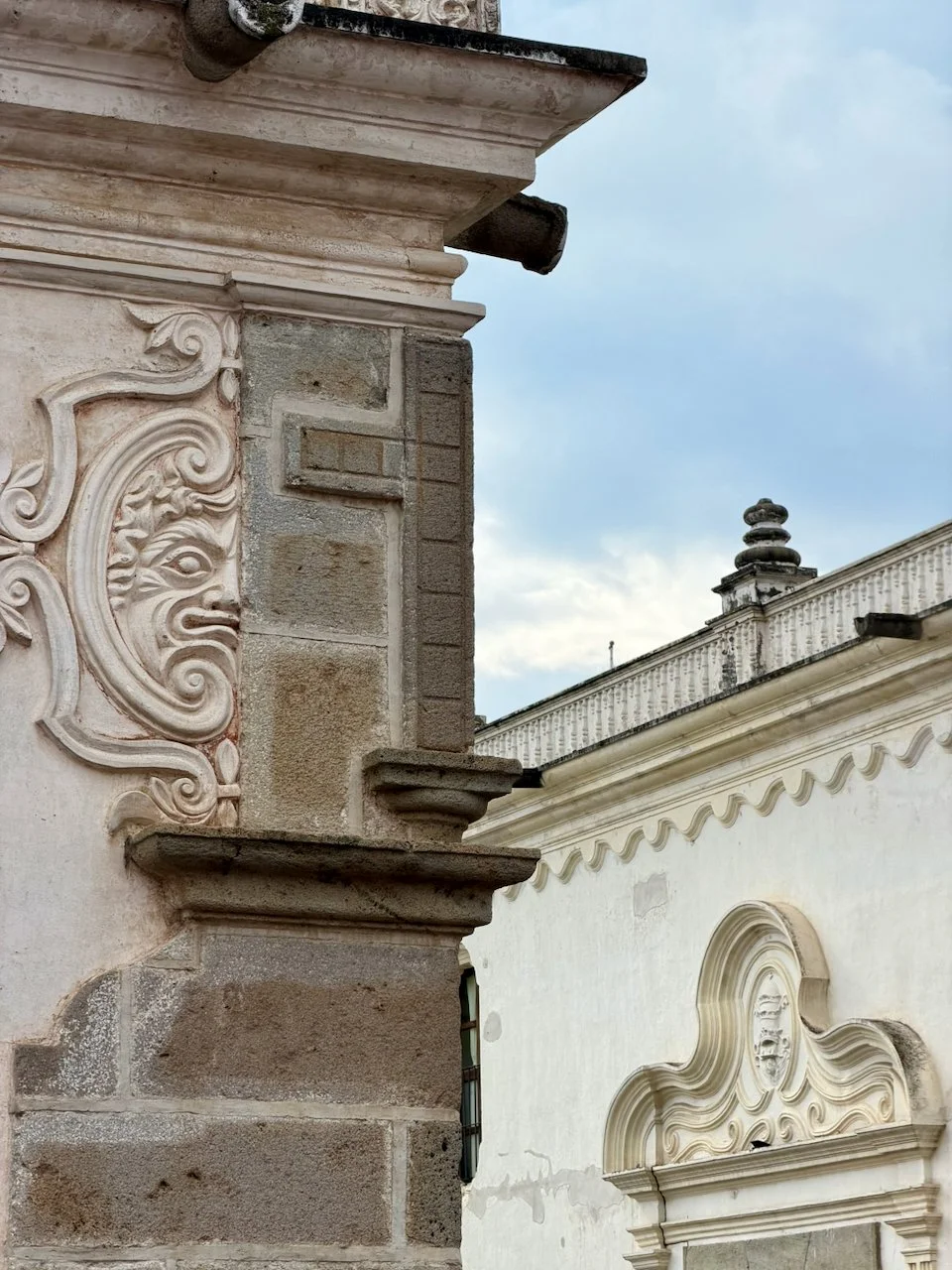
What struck me most is what happens behind those street walls. From the sidewalk, many buildings look modest. Step through the door, and you find an open courtyard with a fountain, potted plants, and rooms opening onto it from every side. That contrast between a simple street face and a generous interior is one of the best design lessons in the city.
I also appreciated how clean and traveler friendly Antigua felt without feeling like a tourist set. People live and work here. The city isn't performing for you. You're simply invited in.
Guatemala had an unusually dry rainy season this year, and some of that rain seemed to wait for us. It didn't slow us down one bit. A passing afternoon shower is a pretty good excuse to linger over another cup of coffee.
A Vacation Rental With Old Style and New Comforts
Our home base was part of a gated compound of five individual vacation homes, connected and arranged around a shared courtyard. My family stayed in one, other friends and family stayed in another, and the rest of our group was in rentals around the city. The location was ideal: just outside the busier blocks around the central square, but still an easy walk to great coffee shops and boutique hotels with excellent restaurants.
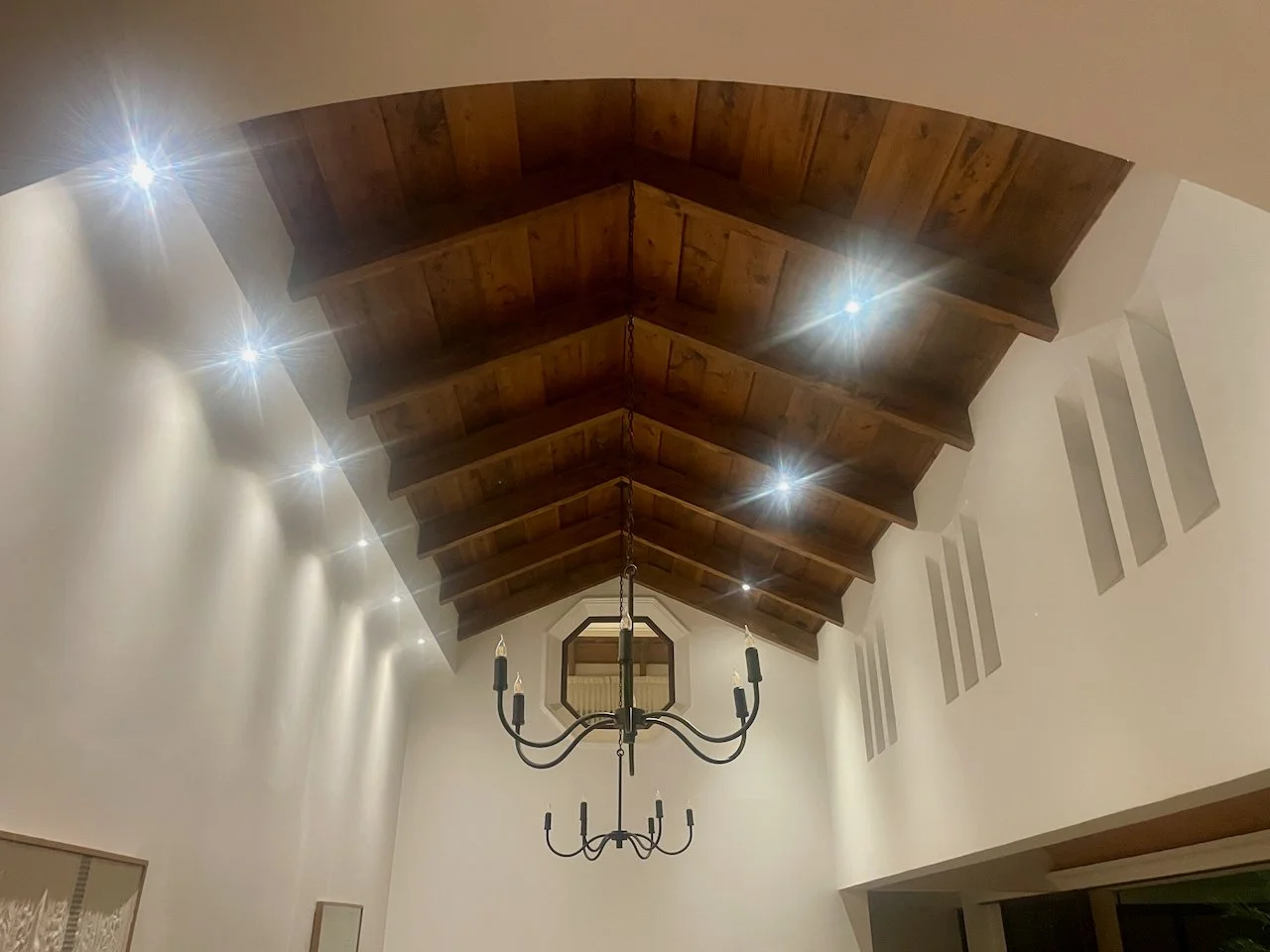
Photo Credit: Teresa Croft
The complex itself is new construction, but it was designed with real respect for traditional Antigua architecture:
A brick cupola rising over the kitchen, which was honestly the most dramatic moment in the house
Brick barrel vaults running along the main corridor
Traditional clay tile roofs
A central courtyard with a fountain, opened up through large glass sliding doors
Everything else was fresh and current: updated bathrooms, a double height living room filled with natural light, and clean, open spaces for everyone to gather.
This is what authentic interior design and architecture looks like to me. It doesn't mean recreating the past room by room. The designers chose a few architectural moments that truly belong to Antigua, gave them room to stand out, and then made everything else work for how people travel today. You knew exactly where you were the moment you walked in, and you still had great water pressure, good lighting, and a comfortable place to sit with your morning coffee.
“This is what authentic interior design and architecture looks like to me. It doesn’t mean recreating the past room by room. The designers chose a few architectural moments that truly belong to Antigua, gave them room to stand out, and then made everything else work for how people travel today.”
As a vacation rental host myself, I also noticed how well the compound worked for a big group. Each family had its own private home, and the courtyard gave everyone a natural place to come together. For anyone designing a property for multigenerational trips, family reunions, or friends traveling together, that layout is worth studying.
Craft You Can Hold: Jade and Fiber Arts
Guatemala has a deep tradition of handcraft, and Antigua is a wonderful place to see it up close.
We visited Casa del Jade, where we learned about the long history of jade in Maya culture and saw how it is still carved and polished into jewelry and objects today. Seeing the raw stone next to the finished pieces gave me a new appreciation for the time and skill behind each one.
Then there were the textiles. At Wayil by Algodones Mayas, I could have spent an entire day just studying weave, color, and pattern. The home store in particular was full of outstanding local fiber art, from handwoven runners and wall hangings to bedding and pillows. These weren't souvenirs. They were serious pieces of craft.
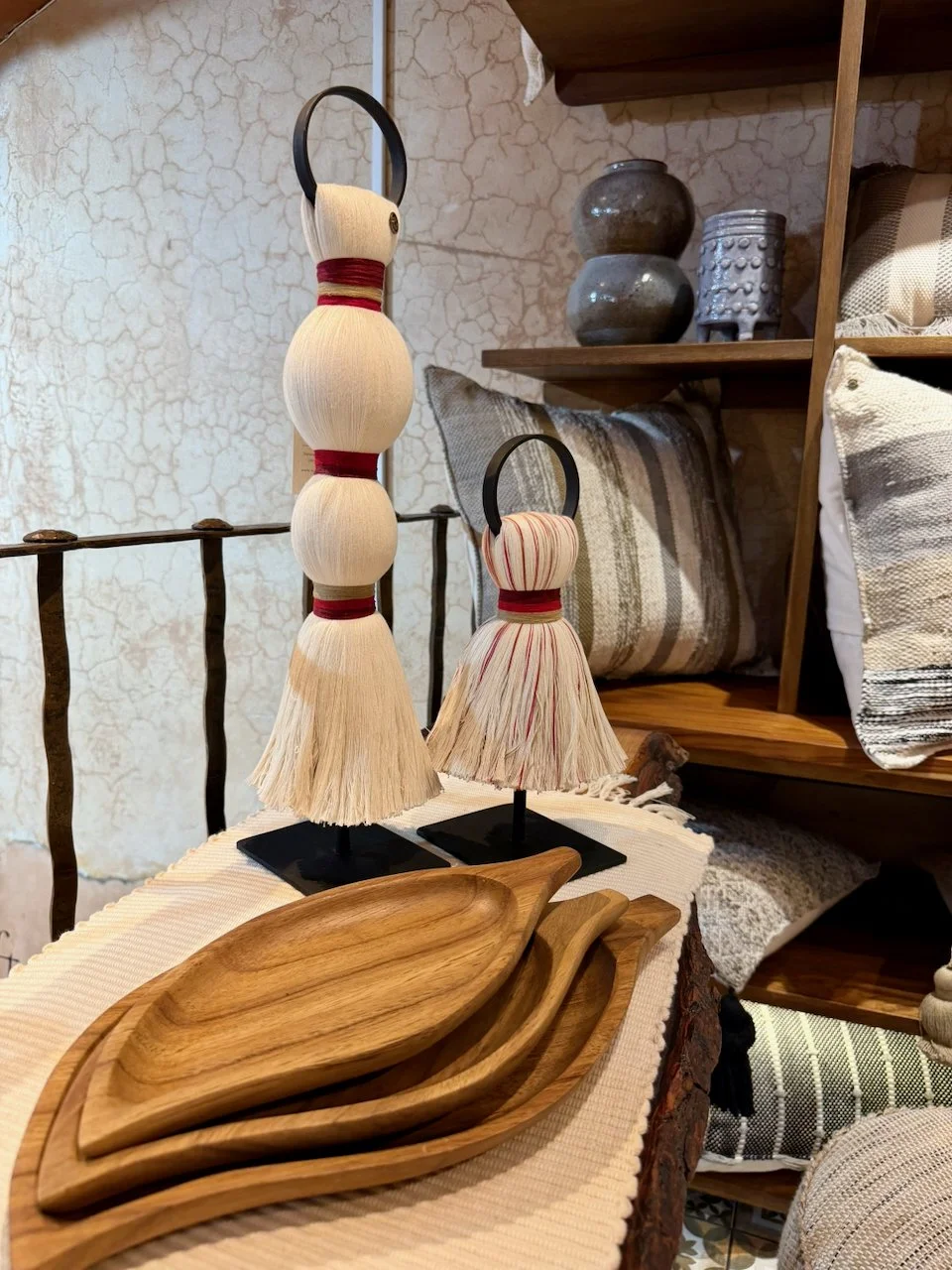
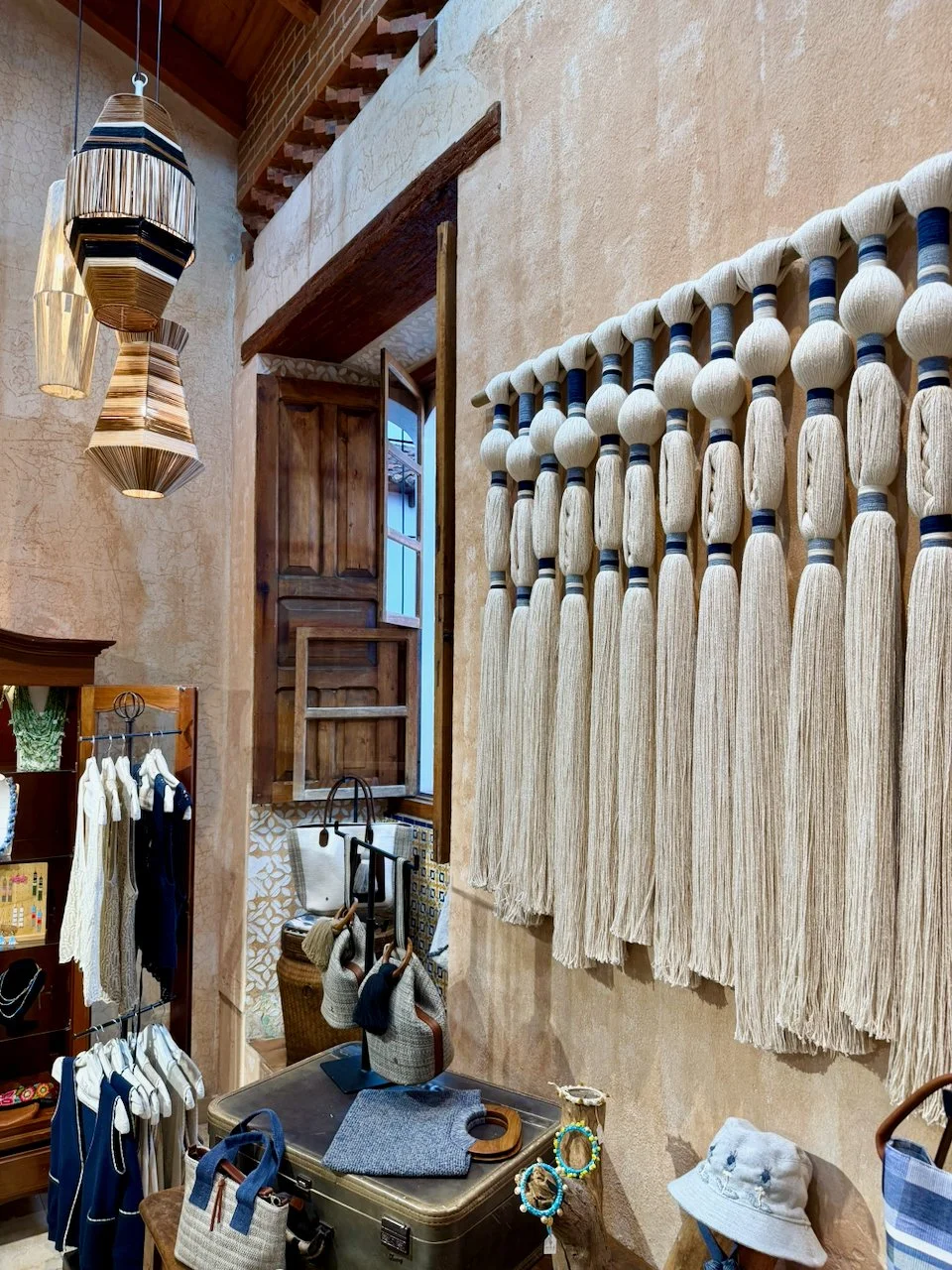
This is something I think about a lot in my own work. A locally made textile tells a guest where they are far better than a sign on the wall ever could. Whether it's a vacation rental on Lake Conroe, a family home in The Woodlands, or all the way in Antigua, the pieces with a real maker and a real story behind them are the ones people remember and ask about.
Art That Came Home With Me
Some of my favorite hours of the trip were spent in Antigua's art galleries. We visited Casa para las Artes, an artist collective, and Aruma Gallery, a multi-artist gallery just across the street. Both were full of work that felt rooted in Guatemala: its color, its landscapes, its people.
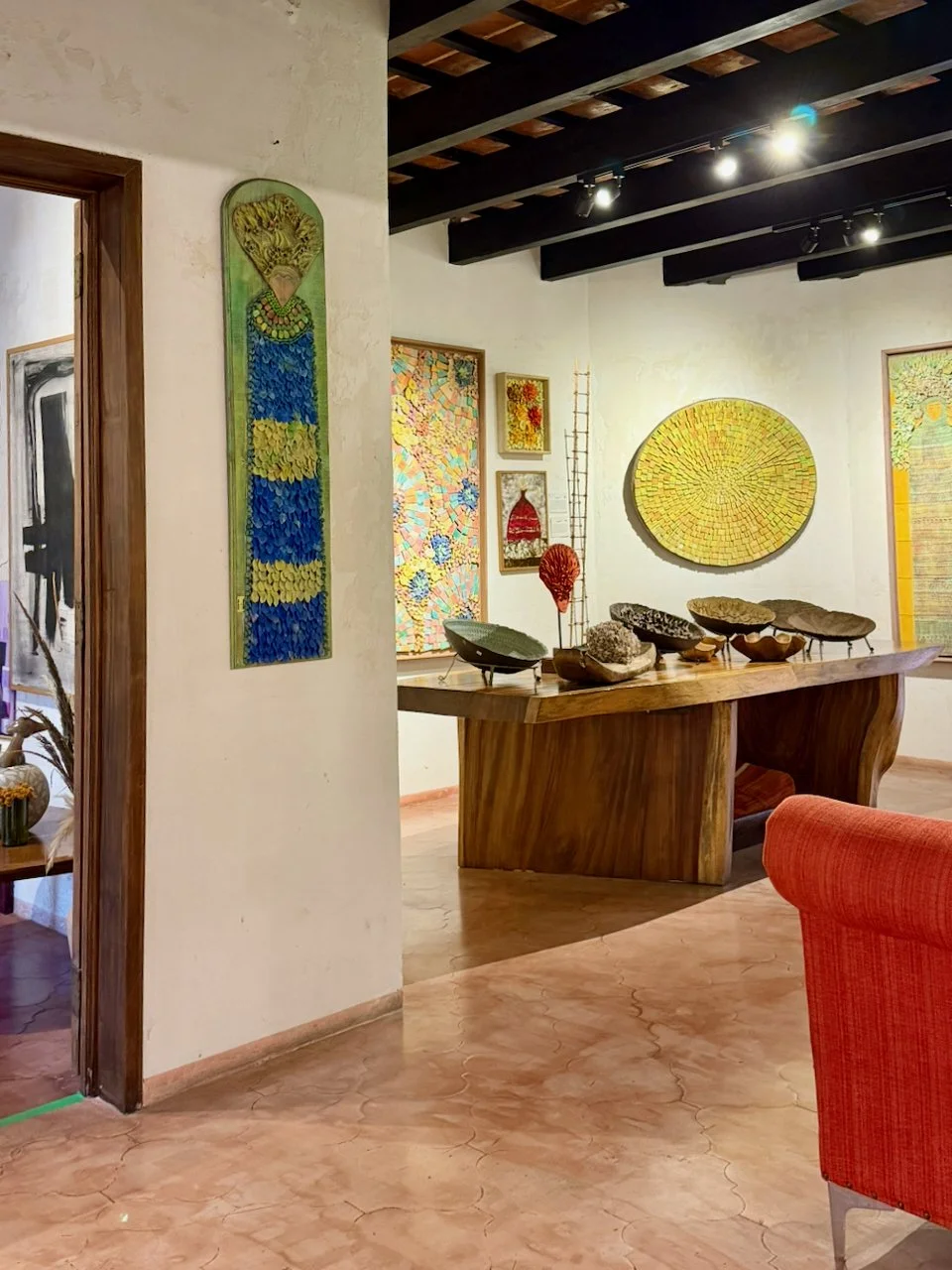
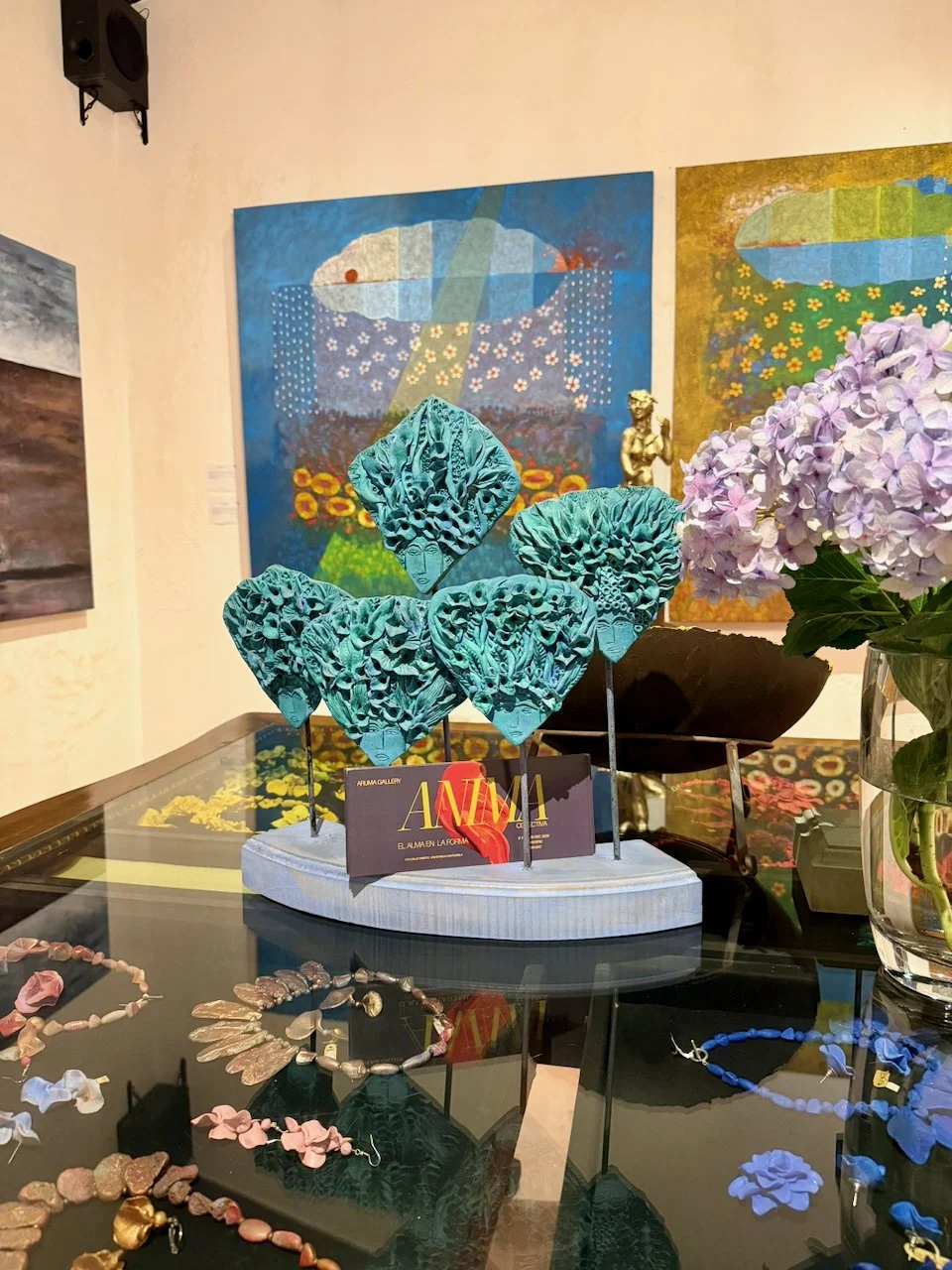
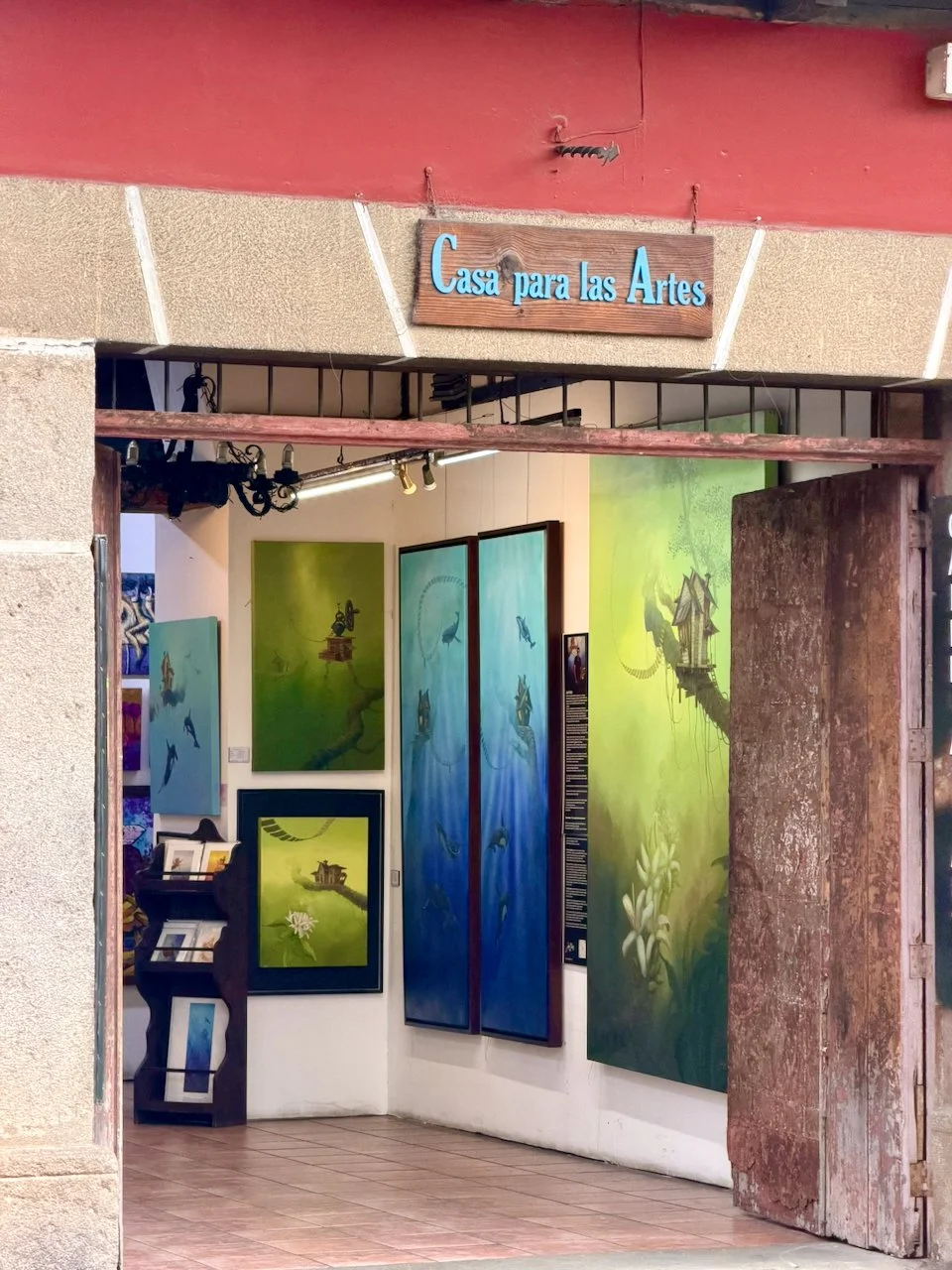
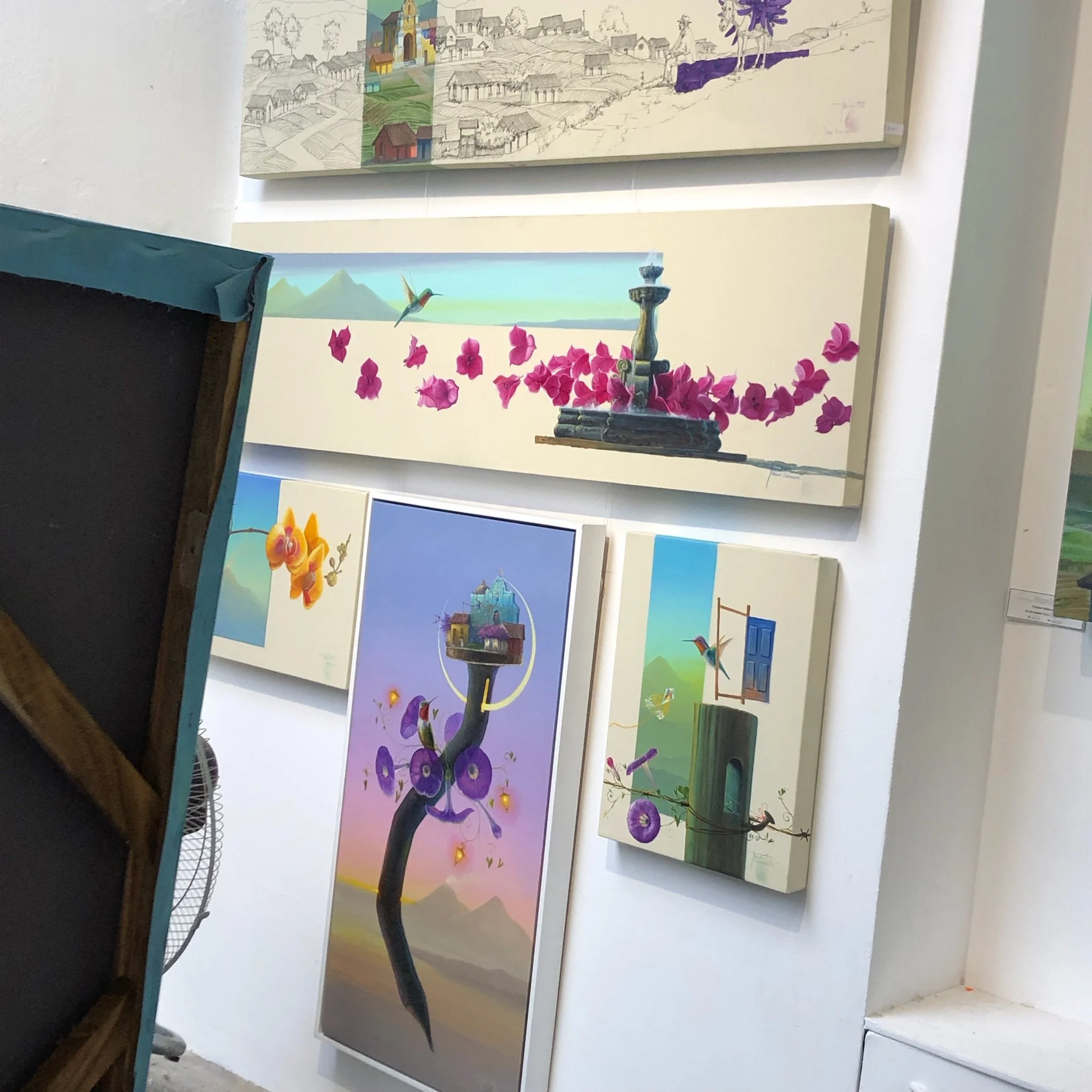
Photo Credit: Caroline Croft
The many ceramic pieces at Aruma Gallery were especially striking in both color and scale. From bowls to wall hung art to freestanding sculptures, these floral and feminine forms absolutely stole the show. I’ll be looking for a place for that artist’s work in upcoming projects!
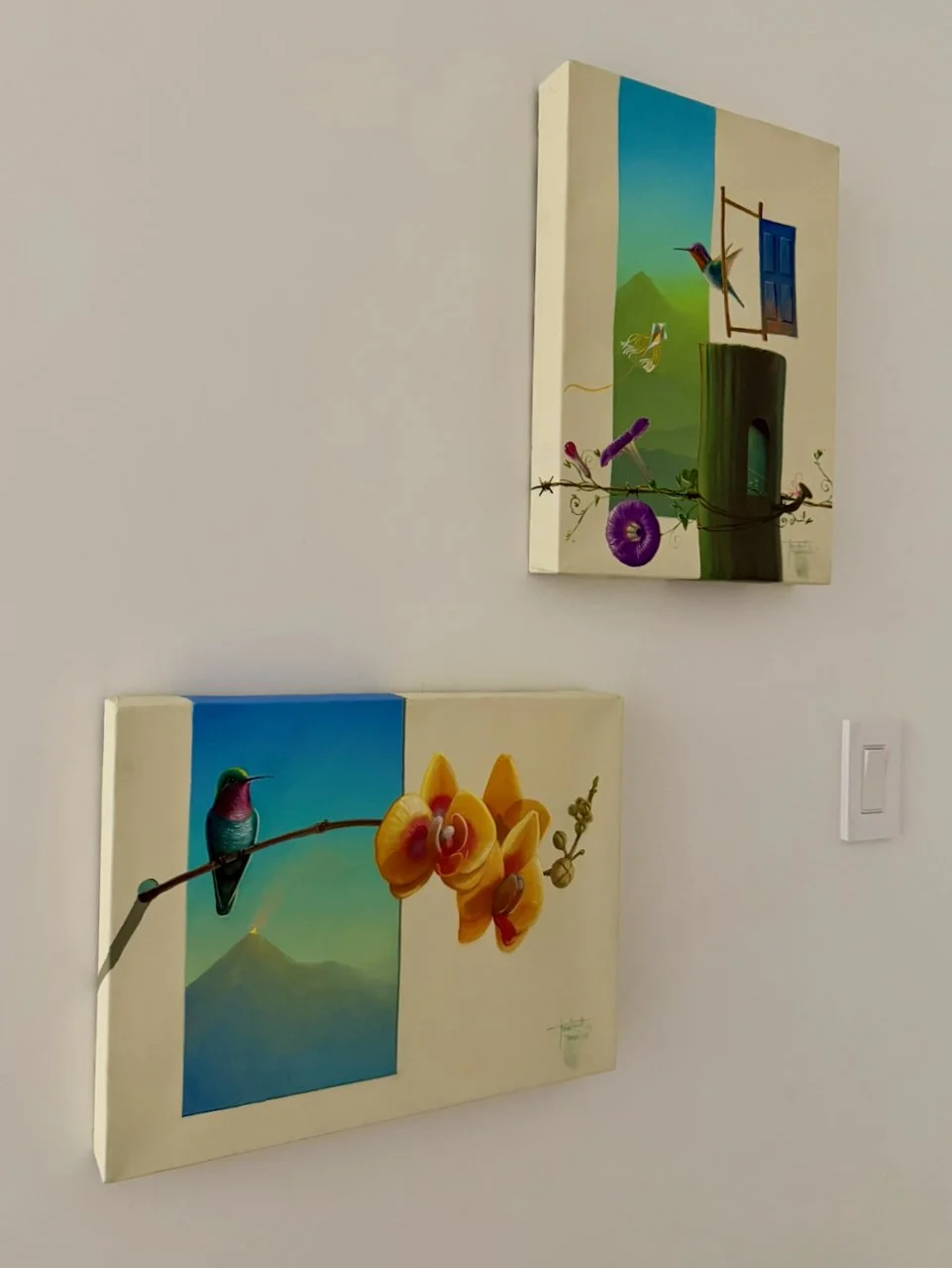
We brought home two paintings by Fabian Hernandez from the artist collective, and they're now hanging in my own home. Every time I walk past them, I'm fondly remembering this trip to Antigua. Speaking with Fabian about the meaning behind his work and seeing his latest large scale commission on the easel was a true highlight! I'd love to commission a piece from him in the future. (And yes, there were several others I would have happily brought home too.)
I encourage my clients to collect art from the places that matter to them. It's one of the simplest ways to make a home feel personal. It gives a space a story that no generic store bought piece can.
“I encourage my clients to collect art from the places that matter to them. It’s one of the simplest ways to make a home feel personal.”
A Global Brand With a Local Point of View
Yes, I'm including a Starbucks in a design blog post (former partner & barista here). The Antigua location is often called the most beautiful Starbucks in the world on social media, and after visiting, I understand why.
It sits around a central courtyard, and the interior is layered with stunning murals and local fiber art.
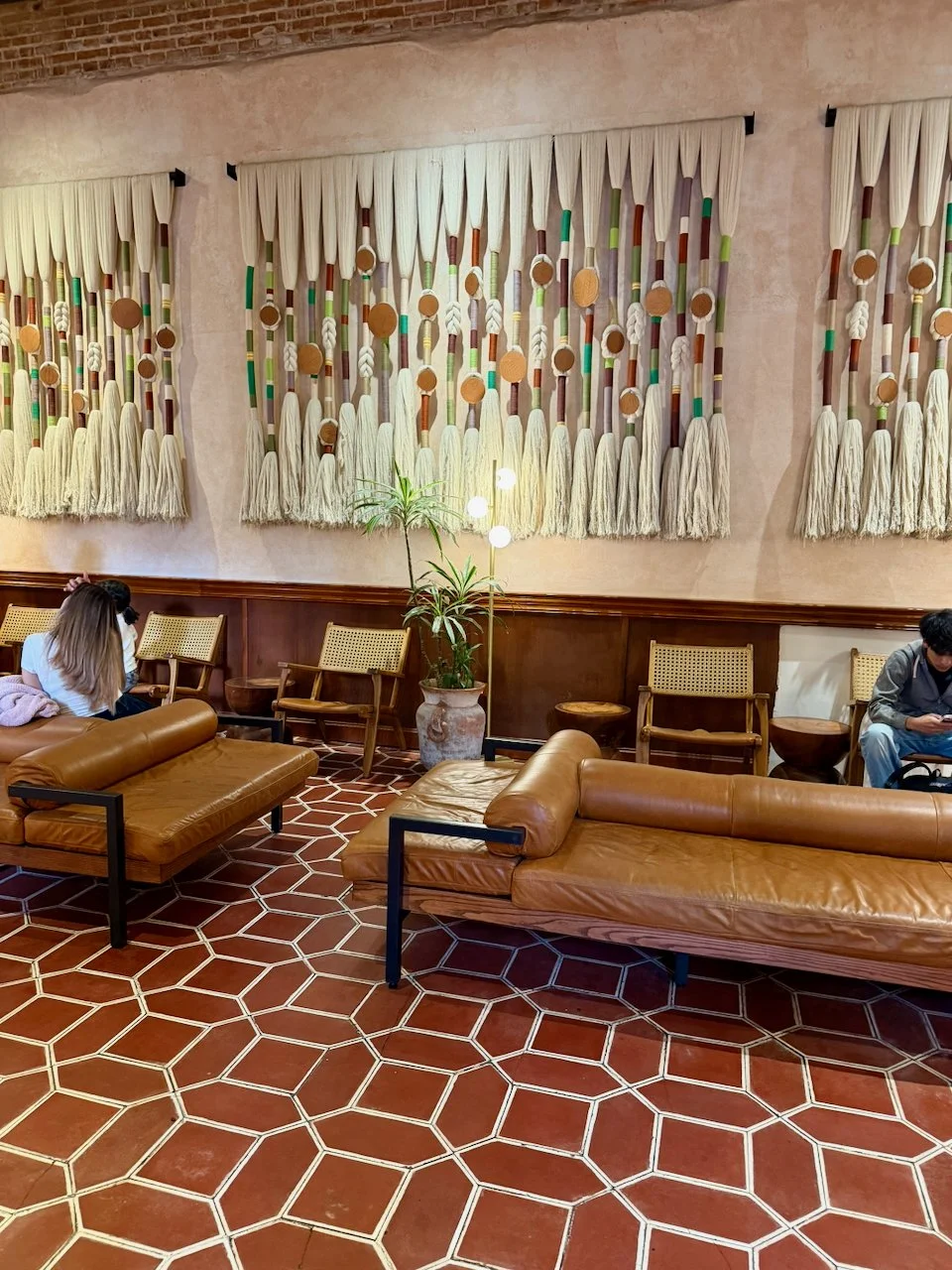
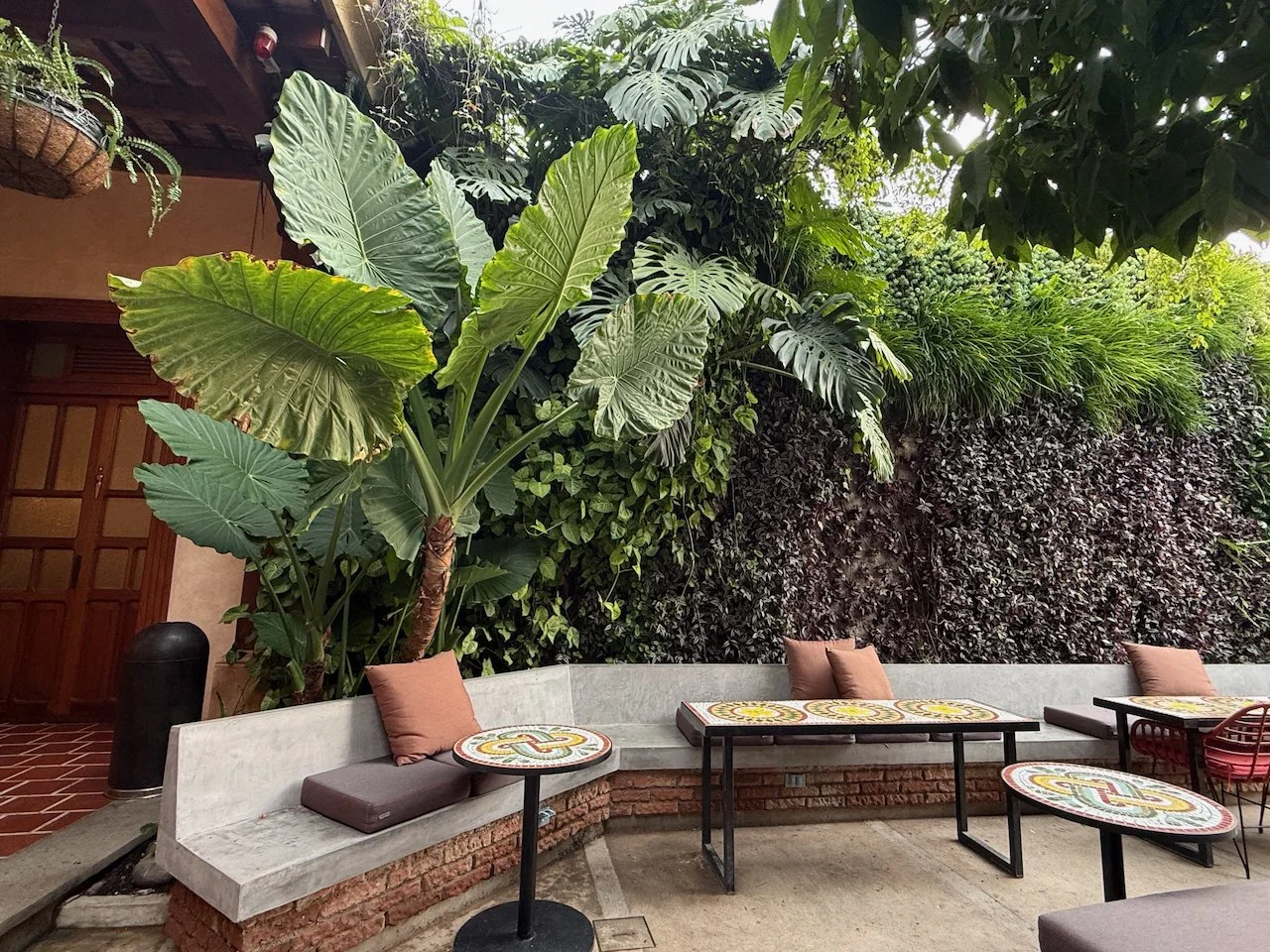
Photo Credit: Kelli Hogg
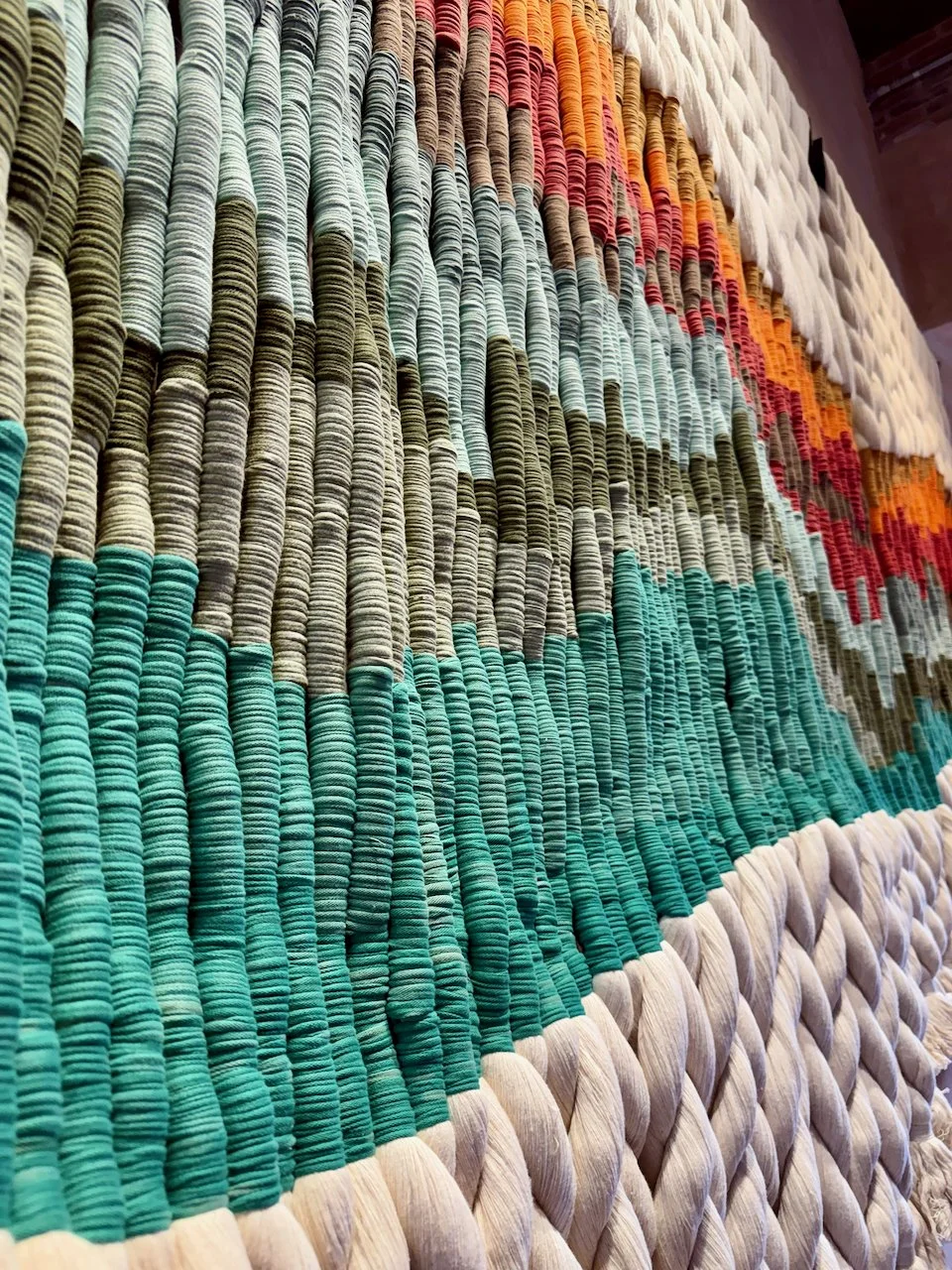
What I loved is that an international company could have dropped its standard store design into a historic building. Instead, with Unesco World Heritage Site designation for Antigua, it let the place lead. The courtyard, the textiles, and the architecture make it feel like it belongs in Antigua and nowhere else.
That's a lesson for any brand, and especially for vacation rental owners. Your property has a brand too. The most memorable ones don't look like they could be just anywhere.
Café Culture and the Art of Hospitality
One of the things I love most about traveling in places like Italy and Guatemala is the café culture. Meals aren't rushed. The food is high quality, and the whole point is to sit down, savor it, and enjoy the conversation.
A few standouts:
Casa Escobar, where the hospitality was fantastic from the moment we walked in
Caoba Farms, an organic farm just outside the city and close to our rental, where you eat in a lush, greenhouse-like setting surrounded by plants. The food was amazing and the setting was unlike anything I've experienced.
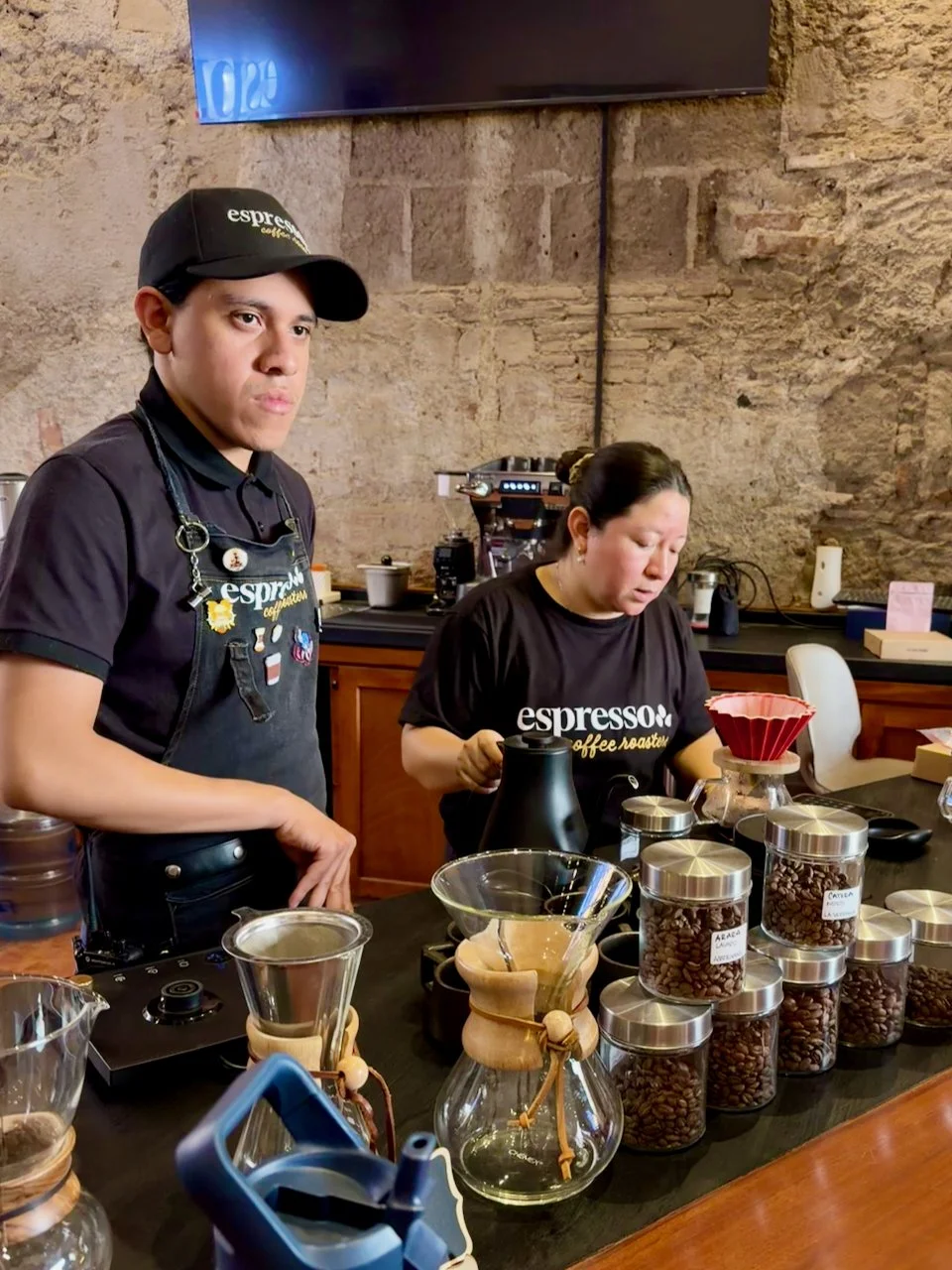
A barista-led coffee tasting for our group at Espresso Coffee Roasters, sampling some exceptional Guatemalan coffees. We could see coffee farms on the hillsides around the city, which made every cup feel even more connected to the place.
A Moment That Stayed With Me
One evening, our group sat down together at Capitania General at one long table along the colonnaded courtyard. Tortillas were made by hand right there as we ate, and the steaks were some of the best I've had anywhere.
I didn’t get a great photo, but check out their instagram to see the table and more photos of their incredible courtyard! It feels magical.
The food was wonderful, but what I'll remember is the atmosphere at the table. People who don't often get to be in the same place, passing plates, telling stories, and staying long after the meal was finished. The restaurant made room for that, literally and figuratively.
It reminded me that some of the most important design decisions are about how people come together. A table long enough for everyone. A space that lets a meal turn into an evening. That's the kind of hospitality people remember.
What I Brought Home (Besides Two Paintings)
Every trip leaves me with a few ideas I can't stop thinking about. From Antigua, it's these:
The courtyard. A private, inward-facing outdoor room that pulls light, air, and plants into the center of daily life
Layered materials. Brick, clay tile, stone, wood, and textiles working together, softened with plants and art
Authenticity over theme. A few true architectural details and local pieces, not a costume version of a place
Hospitality as design. The best spaces I experienced were designed around how people gather, not just how a room looks
“Whether we are creating your forever home or building a vacation property that supports your business, a sense of place is one of the most valuable things design can give you.”
What This Means for You
Whether we are creating your forever home or building a vacation property that supports your business, a sense of place is one of the most valuable things design can give you.
For homeowners, that might mean an outdoor room designed to be lived in the way an Antigua courtyard is, a material palette with real depth, or art that carries a story from somewhere you love.
For vacation rental owners, it means designing a stay guests can't find anywhere else. Pieces from local makers, a few architectural moments worth photographing, and gathering spaces that work for families and groups. Those are the details guests mention in their reviews and the reasons they book again.
Design with purpose. If you're ready to create a space that welcomes, reflects, and endures, let's start the conversation.
Because place matters.